
A heart arrhythmia (uh-RITH-me-uh) is an irregular heartbeat. Heart rhythm problems (heart arrhythmias) occur when the electrical signals that coordinate the heart’s beats don’t work properly. The faulty signaling causes the heart to beat too fast (tachycardia), too slow (bradycardia) or irregularly.
Heart arrhythmias may feel like a fluttering or racing heart and may be harmless. However, some heart arrhythmias may cause bothersome — sometimes even life-threatening — signs and symptoms.
However, sometimes it’s normal for a person to have a fast or slow heart rate. For example, the heart rate may increase with exercise or slow down during sleep.
Heart arrhythmia treatment may include medications, catheter procedures, implanted devices or surgery to control or eliminate fast, slow or irregular heartbeats. A heart-healthy lifestyle can help prevent heart damage that can trigger certain heart arrhythmias.
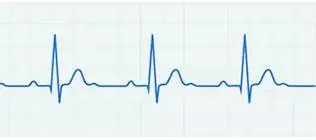
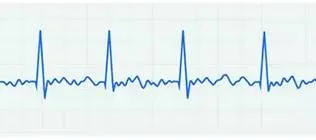
In general, heart arrhythmias are grouped by the speed of the heart rate. For example:
Types of tachycardias include:
Although a heart rate below 60 beats a minute while at rest is considered bradycardia, a low resting heart rate doesn’t always signal a problem. If you’re physically fit, your heart may still be able to pump enough blood to the body with fewer than 60 beats a minute at rest.
If you have a slow heart rate and your heart isn’t pumping enough blood, you may have a type of bradycardia. Types of bradycardias include:
Premature heartbeats are extra beats that occur one at a time, sometimes in patterns that alternate with the normal heart beat. The extra beats may come from the top chamber of the heart (premature atrial contractions) or the bottom chamber (premature ventricular contractions).
A premature heartbeat may feel like your heart skipped a beat. These extra beats are generally not concerning, and they seldom mean you have a more serious condition. Still, a premature beat can trigger a longer-lasting arrhythmia, especially in people with heart disease. Occasionally, very frequent premature beats that last for several years may lead to a weak heart.
Premature heartbeats may occur when resting. Sometimes premature heartbeats are caused by stress, strenuous exercise or stimulants, such as caffeine or nicotine.
Heart arrhythmias may not cause any signs or symptoms. A doctor may notice the irregular heartbeat when examining you for another health reason. In general, signs and symptoms of arrhythmias may include:
Many heart arrhythmias are harmless; however, if they are particularly abnormal, or result from a weak or damaged heart, arrhythmias can cause serious and even potentially fatal harm.
Heart arrhythmias are associated with an increased risk of blood clots. If a clot breaks loose, it can travel from the heart to the brain, causing a stroke. Blood thinners can lower the risk of stroke related to atrial fibrillation and other arrhythmias. Your doctor will determine if a blood-thinning medication is right for you.
If an arrhythmia is causing heart failure symptoms, methods to control the heart rate may improve heart function.
Because abnormal heart rhythms and cardiac symptoms can come and go, they can be difficult to detect.
At Sleep Disorder Center, we provide a simple, stress-free way to test for cardiac arrhythmias—without ever leaving your home.
Identifying an irregular heart rhythm (arrhythmia) starts with tracking abnormal beats on a heart monitor. In some cases, a standard EKG may be sufficient, especially if the arrhythmia is consistent. However, many patients experience these irregular rhythms sporadically—appearing unexpectedly, lasting just moments—which makes detection on a short ECG challenging.
To address this, we offer cutting-edge at-home cardiac monitoring solutions designed to capture those brief, hard-to-catch episodes. This ensures your provider has the accurate data they need to make informed decisions about your care.
Q: What are the most common arrhythmias linked to sleep apnea?
A: Atrial fibrillation and bradyarrhythmias are frequently observed in sleep-disordered breathing.
Q: Do I need cardiac monitoring after a sleep study?
A: If symptoms like palpitations or pauses are detected, ambulatory heart rhythm monitoring is often recommended.
Q: Can treating sleep apnea reduce arrhythmia risk?
A: Yes—studies show CPAP treatment lowers recurrence of AF post-ablation
If you or a loved one is experiencing symptoms of a heart rhythm issue—or if your provider has recommended cardiac monitoring—we’re here to help. Our team at Sleep Disorder Center makes the process fast, easy, and convenient from start to finish.
Have questions or need to schedule a test?
Reach out today and speak with a member of our care team. We’ll guide you through every step.